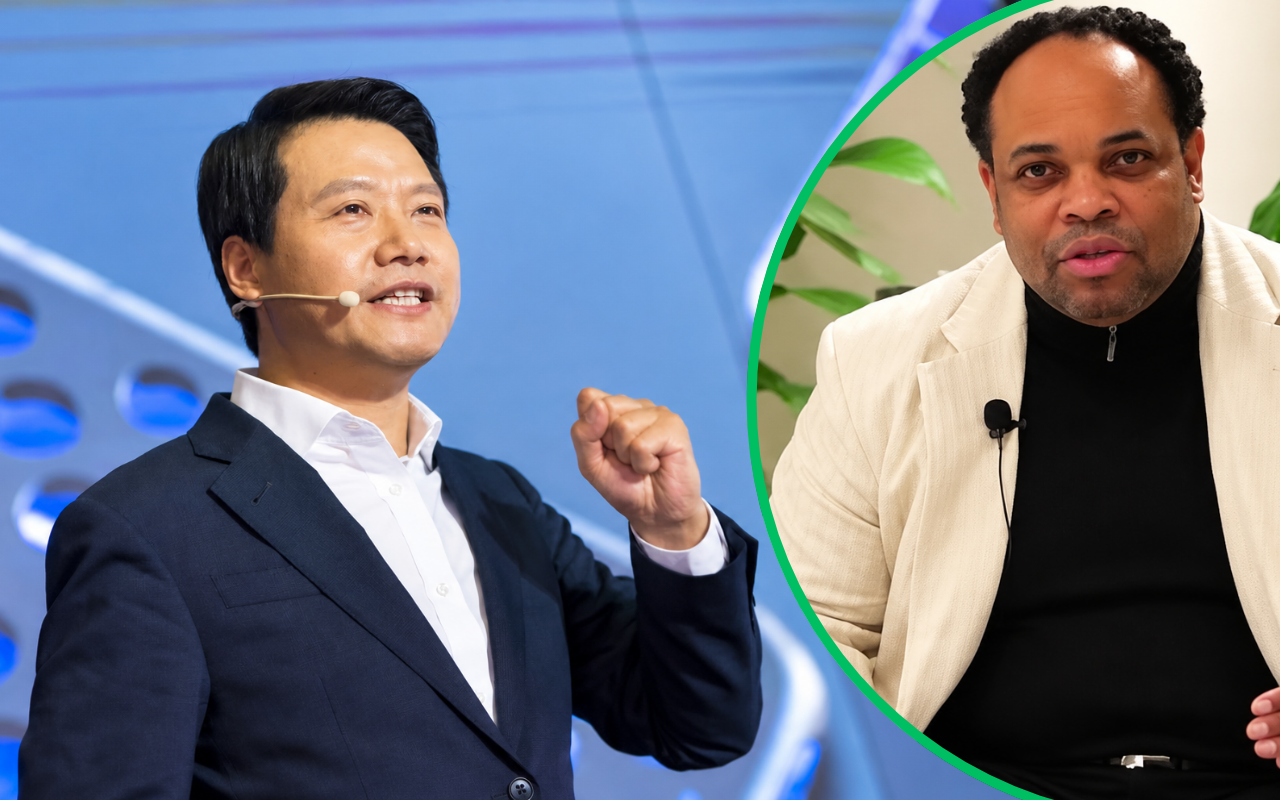
The business world is shaped by leaders who understand how to turn ideas into successful organizations. Some build their reputations by introducing innovative technologies, while others rise through established companies and learn how to manage global brands, employees, and complex operations. Lei Jun and David Taylor represent two different approaches to leadership, making their professional journeys interesting subjects for comparison.
Lei Jun is a Chinese entrepreneur best known as the founder, chairman, and chief executive officer of Xiaomi, a company that has become a major name in smartphones, consumer electronics, and smart electric vehicles. David S. Taylor is an American business executive who served as chairman, president, and CEO of Procter & Gamble, one of the world’s largest consumer goods companies. He spent approximately four decades working at P&G before moving into advisory and board leadership roles. Source: Xiaomi Corporation and Clayton, Dubilier & Rice.
Although both executives have experience leading major organizations, their careers developed in different industries and business environments. Lei Jun is associated with entrepreneurship, technology, product development, and business expansion. Taylor is known for his experience in manufacturing, brand management, marketing, and corporate operations.
Understanding their backgrounds offers valuable insight into how business leaders build organizations, respond to changing markets, and maintain a competitive position. However, there is no clearly established public evidence that the two men share a direct personal partnership or a significant joint business venture. Their connection is best understood through a comparison of their professional achievements and leadership experiences.
Who Is Lei Jun?
Lei Jun was born on December 16, 1969, in Xiantao, Hubei Province, China. From an early stage in his career, he demonstrated a strong interest in technology and entrepreneurship. He studied computer science at Wuhan University, graduating in 1991 with a bachelor’s degree. His technical education provided a foundation for his later work in software, internet services, and consumer electronics.
After graduating, Lei joined Kingsoft, a Chinese software company, in 1992. Over the following years, he developed extensive experience in the software industry and eventually became its chief executive officer in 1998. His work at Kingsoft helped him understand software development, organizational management, and the challenges of competing in a rapidly changing technology market.
Lei also explored entrepreneurship beyond traditional software. In 2000, he founded Joyo.com, an online retail platform that was later acquired by Amazon in 2004. This experience introduced him to internet commerce and demonstrated his ability to identify business opportunities in emerging markets.
His professional journey did not stop with software and online retail. In 2010, he co-founded Xiaomi with several partners, including Lin Bin. The company began with an ambition to make technology products accessible to a broad audience while maintaining attractive designs and competitive features.
Lei’s experience across software, online commerce, investment, and hardware helped shape his approach to business. Rather than focusing on a single product category, he worked toward building a connected ecosystem in which smartphones, applications, household devices, and other products could complement one another.
How Lei Jun Built Xiaomi
Xiaomi was founded in 2010, at a time when smartphones were transforming the way people communicated, worked, and consumed information. Established manufacturers already had substantial resources, but opportunities remained for companies willing to challenge conventional pricing and product strategies.
Under Lei Jun’s leadership, Xiaomi entered the smartphone market with a focus on providing competitive specifications, attractive designs, and value for money. The company also cultivated an online community around its products, allowing customers to discuss features, share feedback, and follow software developments.
This approach helped Xiaomi develop a recognizable identity among consumers who wanted modern technology without necessarily paying the highest prices in the market. The company’s software background also influenced its early product strategy, particularly its interest in creating a close relationship between hardware, operating systems, and online services.
Xiaomi eventually expanded beyond smartphones. Its wider portfolio came to include televisions, routers, wearable devices, connected home products, and other consumer electronics. These products formed part of a broader ecosystem designed to make everyday technology work together more conveniently.
Lei’s strategy also involved international expansion. Xiaomi developed a presence in multiple markets, including India and countries across Europe and other regions. Entering different markets required the company to understand local preferences, distribution networks, price expectations, and competitive conditions.
In 2018, Xiaomi became publicly listed on the Hong Kong Stock Exchange. The listing marked an important milestone in the company’s development, giving it access to public capital markets and increasing its international visibility.
More recently, Xiaomi has expanded into smart electric vehicles, reflecting Lei’s ambition to apply the company’s technology and ecosystem strategy to a new industry. The move presents opportunities as well as significant challenges, including manufacturing complexity, safety requirements, competition, and the substantial investment needed to develop vehicles.
Who Is David Taylor?
David S. Taylor is an American business executive best known for his leadership at Procter & Gamble, commonly known as P&G. The company owns a broad portfolio of consumer brands in categories such as personal care, grooming, beauty, healthcare, and household products.
Taylor joined P&G in 1980 after graduating from Duke University with a bachelor’s degree in electrical engineering. Unlike an entrepreneur who begins by creating a new company, Taylor developed his career within an established multinational organization.
His early professional experience included manufacturing, product supply, engineering, logistics, and operational management. These responsibilities helped him understand the systems required to manufacture products consistently and deliver them to consumers across different markets.
As his career progressed, Taylor moved into brand management and senior business leadership. He worked across several major P&G product categories, including family care, home care, beauty, grooming, and healthcare.
This experience exposed him to different aspects of consumer goods management. Running a major product business involves more than manufacturing an item. It also requires understanding customer preferences, developing effective marketing campaigns, managing distribution, controlling costs, and protecting brand reputation.
Taylor eventually became president and CEO of P&G in 2015 and chairman of its board in 2016. He held the CEO position until November 2021 and served as executive chairman until June 2022. His career illustrates how long-term industry experience can prepare an executive to lead a complex global business.
David Taylor’s Leadership at Procter & Gamble
When Taylor became CEO, P&G was operating in a competitive consumer goods market where customer expectations, retail channels, and digital marketing were changing. Large consumer brands needed to protect their established positions while responding to new competitors and evolving shopping habits.
Taylor’s leadership emphasized stronger execution, accountability, and a renewed focus on the company’s core businesses. His experience across manufacturing and brand management gave him an understanding of how decisions made at headquarters affect factories, supply chains, marketing teams, retailers, and customers.
One important part of his approach was simplifying organizational structures and empowering business leaders to take greater responsibility for performance. In a multinational company, complicated decision-making processes can slow responses to market changes. Clearer responsibilities can help teams act more quickly while maintaining consistent standards.
Taylor also emphasized product superiority and the consumer experience. For a company such as P&G, maintaining customer trust depends on the quality, reliability, and perceived value of everyday products. Even small improvements in packaging, performance, availability, or marketing can influence purchasing decisions when repeated across large markets.
His tenure also included the COVID-19 pandemic, which disrupted global supply chains and created serious challenges for manufacturers. Companies had to protect employees, maintain production, manage transportation difficulties, and respond to changes in consumer demand.
Taylor’s experience in manufacturing and supply chain operations was particularly relevant during this period. P&G’s ability to operate across numerous product categories required coordination between suppliers, factories, distributors, retailers, and regional management teams.
According to Duke University’s leadership profile, Taylor and his management team worked to improve company culture, operational standards, and business performance during his time at P&G. His career demonstrates the importance of combining long-term organizational knowledge with a willingness to adjust management practices as conditions change.
What Connects Lei Jun and David Taylor?
The most meaningful connection between Lei Jun and David Taylor is their experience leading businesses that must understand consumers, manage innovation, and compete internationally. Their companies operate in different sectors, but both depend on the relationship between product quality, customer expectations, and business execution.
For Lei Jun, consumer value has been central to Xiaomi’s identity. Smartphones and connected devices must offer useful features, dependable performance, and an appealing price. The technology market moves quickly, so companies must continually improve their products and respond to competitors.
For Taylor, the challenge was managing established consumer brands that customers use regularly. Products such as personal care items, cleaning supplies, and grooming products must maintain consistent quality while adapting to changes in consumer preferences.
Both leaders also had to coordinate large organizations. Lei’s responsibilities involve product development, technology, supply chains, distribution, and the expansion of Xiaomi’s ecosystem. Taylor’s responsibilities involved manufacturing, brand management, global operations, and corporate strategy.
Their career paths, however, should not be confused with evidence of a direct partnership. Their shared relevance comes from their roles in business leadership rather than a publicly verified joint project. Without reliable documentation, claims that they collaborated, maintained a special relationship, or worked together on a particular initiative would be speculative.
Comparing Their Leadership Styles
Lei Jun’s leadership is closely associated with entrepreneurship and the creation of new opportunities. Building Xiaomi required him to assemble teams, develop products, establish a market identity, and compete against companies with substantial resources. His background in software and internet businesses helped him approach technology as part of a connected consumer experience.
Taylor’s career reflects a different route to executive leadership. He developed his skills over decades inside P&G, gaining experience in manufacturing, operations, brand management, and international business. His rise illustrates the value of understanding an organization at multiple levels before taking responsibility for its overall direction.
Another difference lies in the markets they serve. Technology companies frequently operate in product cycles shaped by rapid advances in hardware, software, connectivity, and computing. Consumer goods businesses also innovate, but they often depend heavily on established distribution networks, brand loyalty, repeat purchasing, and operational efficiency.
Despite these differences, both leaders demonstrate the importance of understanding customers. A technically impressive smartphone may struggle if its price or user experience does not match customer expectations. Similarly, a familiar consumer brand can lose market share if its products fail to meet changing needs.
Their experiences also highlight the role of organizational discipline. Innovation requires creativity, but it also depends on dependable execution. Products must be developed, manufactured, marketed, delivered, and supported effectively. Leadership is therefore not simply about having a vision; it is about creating the systems and teams needed to make that vision practical.
Business Lessons From Their Careers
The careers of Lei Jun and David Taylor offer several lessons for entrepreneurs, executives, and people interested in management.
First, a strong understanding of customers can create a lasting competitive advantage. Xiaomi’s focus on accessible technology helped it establish a distinctive position in the smartphone market. P&G’s emphasis on consumer brands illustrates the importance of trust, quality, and consistent product performance.
Second, professional experience can take different forms. Lei Jun built expertise across software, online retail, investment, and consumer electronics. Taylor gained broad experience by taking on different responsibilities within a multinational company. Neither path represents the only route to leadership; both show the value of learning across functions and industries.
Third, companies need to adapt without losing sight of their central purpose. Xiaomi’s expansion into connected devices and electric vehicles reflects an effort to extend its technological capabilities. P&G’s focus on core businesses and operational performance illustrates a different form of adaptation: strengthening established brands while improving the organization behind them.
Fourth, successful leadership requires capable teams. Large businesses cannot depend on one person’s decisions alone. Product development, marketing, manufacturing, finance, and customer support all require skilled people working toward shared goals.
Finally, long-term success depends on execution. A promising strategy has limited value unless a company can deliver products reliably, manage resources effectively, and respond when plans encounter difficulties. Both careers demonstrate the importance of connecting strategic decisions with everyday operations.
The Lasting Significance of Lei Jun and David Taylor
Lei Jun and David Taylor have influenced business in different ways. Lei helped establish Xiaomi as a major technology company by combining consumer electronics, software, and a broader connected-device strategy. His move into electric vehicles also reflects the ambition to extend a technology company’s capabilities into new markets.
Taylor’s contribution is rooted in his long career at P&G, where he progressed through operational and brand management positions before becoming CEO and chairman. His experience demonstrates how manufacturing knowledge, commercial understanding, and organizational leadership can come together at the highest level of a multinational business.
Their professional experiences are useful to compare because they show that effective leadership is not tied to one industry or career path. Entrepreneurs and corporate executives face different pressures, but both must make decisions under uncertainty, manage people, allocate resources, and build customer confidence.
Their achievements should also be considered within the larger organizations they led. Xiaomi’s development depended on its founders, engineers, designers, employees, suppliers, and business partners. P&G’s performance similarly reflected the work of teams across many countries and product categories. Leadership matters, but sustained business success is a collective effort.
Read More: Lei Jun and David Taylor: Leadership, Business Success, and Professional Achievements
Conclusion
Lei Jun and David Taylor represent two distinct models of business leadership. Lei Jun is an entrepreneur whose career spans software, online retail, consumer electronics, and electric vehicles. David Taylor is an experienced corporate executive who spent approximately four decades at Procter & Gamble before moving into advisory and board leadership roles.
Their backgrounds differ, but both demonstrate the importance of customer understanding, strong teams, operational discipline, and the ability to respond to changing markets. Lei’s journey highlights the opportunities created by entrepreneurship and technological innovation, while Taylor’s career shows the value of broad industry experience and organizational leadership.
Although no verified direct partnership between them is established here, comparing their careers provides a useful perspective on how leaders create value in different business environments. Their professional stories offer lessons for aspiring entrepreneurs, experienced managers, and anyone interested in understanding what it takes to lead a successful organization.
