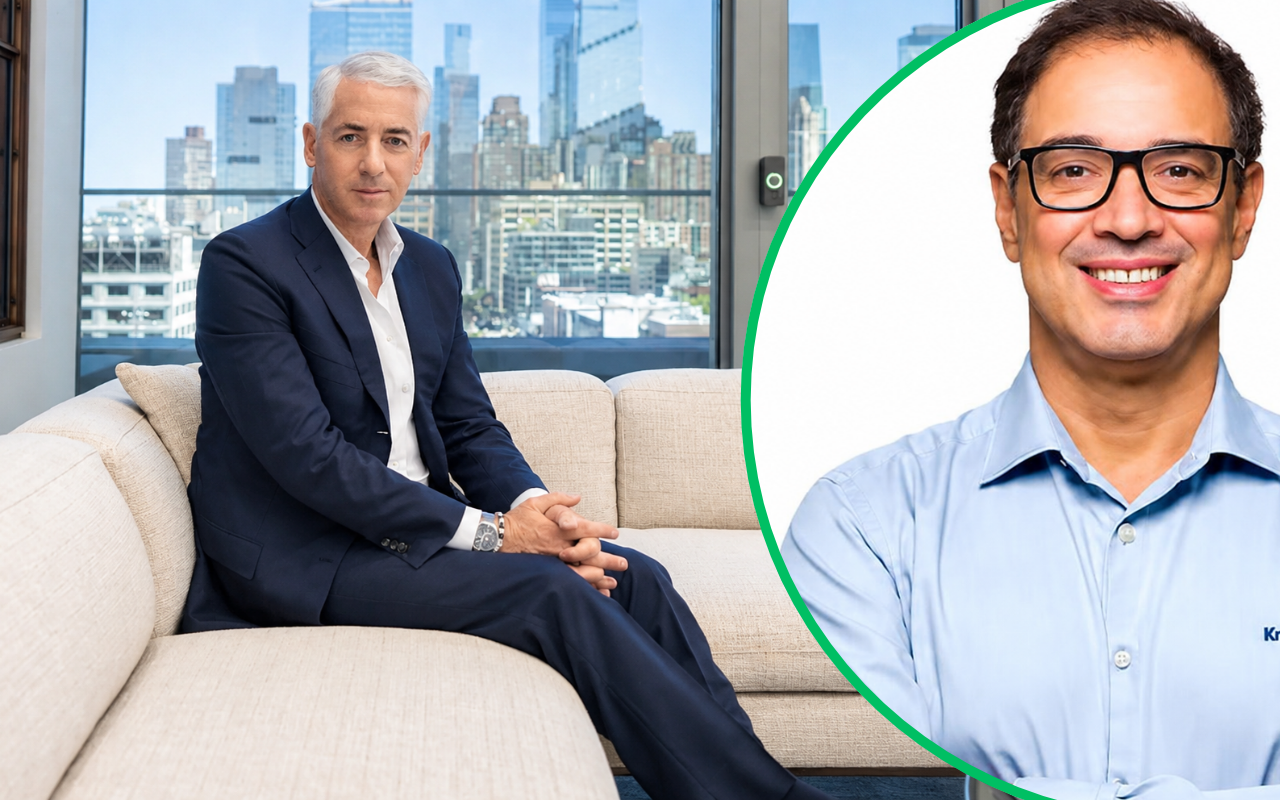
Bill Ackman and Miguel Patricio are two influential figures in the international business world, but they built their reputations through very different professional paths. Ackman is widely recognised as an American billionaire investor, hedge fund manager, and founder of Pershing Square Capital Management. Patricio, meanwhile, is a Portuguese business executive known for his extensive experience in international marketing, consumer goods, and corporate leadership, particularly through his work at Anheuser-Busch InBev and Kraft Heinz.
Their names are particularly interesting when examining the history of Kraft Foods and Kraft Heinz. Ackman became involved with Kraft Foods as an investor around 2010, while Patricio took over as chief executive of Kraft Heinz in 2019. Although their careers intersect through the broader corporate history of the food company, they should not be described as direct business partners without evidence of a formal relationship.
Understanding their individual backgrounds provides an opportunity to explore two important sides of modern business: investment strategy and corporate management. Their careers also demonstrate how financial decisions, consumer preferences, brand development, and leadership can influence the direction of major international companies.
Who Is Bill Ackman?
Bill Ackman, whose full name is William Albert Ackman, is an American investor and entrepreneur best known for founding Pershing Square Capital Management. Born on May 11, 1966, he developed an interest in business and finance at an early stage of his life. His educational background at Harvard University helped establish the foundation for his future career in investment management.
Ackman graduated from Harvard College in 1988 with a degree in social studies. He subsequently earned an MBA from Harvard Business School in 1992. His academic experience provided him with an understanding of economics, corporate structures, financial markets, and business strategy.
After completing his education, Ackman entered the investment industry and began developing his approach to identifying undervalued companies. He became particularly interested in businesses where he believed management decisions, financial structures, or operational weaknesses were preventing shareholders from receiving their full potential value.
In 1992, he co-founded Gotham Partners, an investment firm that focused on opportunities in publicly traded companies. His experience at Gotham helped him develop the analytical and strategic approach that would later become central to his investment philosophy.
Pershing Square and Ackman’s Investment Strategy
One of the most important milestones in Ackman’s professional career was the establishment of Pershing Square Capital Management in 2004. The New York-based investment firm became known for its concentrated portfolio and activist investment strategy.
Unlike investors who spread their money across hundreds of companies, Ackman has generally preferred to focus on a smaller number of businesses that he believes have strong long-term potential. His investment decisions often involve detailed research into company operations, financial performance, management quality, competitive advantages, and future growth opportunities.
Activist investing is an approach in which an investor acquires a significant ownership position and attempts to influence a company’s strategic direction. This may involve encouraging changes to corporate governance, management, capital allocation, or business operations.
Ackman’s investment career has included several highly publicised campaigns. His involvement with Canadian Pacific Railway attracted considerable attention after he challenged the company’s existing leadership and advocated changes that he believed could improve performance. His campaigns involving companies such as J.C. Penney and Herbalife also brought him considerable media coverage.
Not every investment produced the outcome he wanted. Some positions generated substantial losses, demonstrating the risks associated with concentrated investment strategies. Nevertheless, Ackman remained an influential figure in the financial industry because of his willingness to take public positions on major corporate decisions.
Bill Ackman’s Connection to Kraft Foods
The connection between Bill Ackman and Miguel Patricio becomes clearer when examining the history of Kraft Foods and its later transformation into Kraft Heinz.
Around 2010, Pershing Square acquired an investment position in Kraft Foods. The company was already a major name in the international food industry, with a portfolio of established products and household brands.
At the time, Kraft was pursuing an important international expansion strategy through its proposed acquisition of British confectionery company Cadbury. The transaction attracted considerable attention because it represented a major corporate move and involved questions about financing, shareholder value, and long-term business strategy.
Ackman was among the investors interested in Kraft’s strategic direction. His involvement reflected the broader role that institutional investors can play in major corporate decisions. Investors may support acquisitions while also examining whether the financial structure of a transaction creates sustainable value for shareholders.
Kraft’s corporate history subsequently changed significantly. In 2012, Kraft Foods separated its North American grocery business from its global snacks operation. The grocery business became Kraft Foods Group, while the international snacks business became Mondelez International.
In 2015, Kraft Foods Group merged with H.J. Heinz Company to establish The Kraft Heinz Company. The merger created one of the world’s largest packaged-food businesses and brought together numerous established food brands.
This corporate history is important because Patricio’s leadership at Kraft Heinz came several years after Ackman’s earlier involvement with Kraft Foods. Their professional timelines therefore connect through the same broader business history rather than a confirmed direct partnership.
Who Is Miguel Patricio?
Miguel Patricio is a Portuguese business executive recognised for his experience in global consumer goods, marketing, and corporate management. Unlike Ackman, whose career developed primarily around financial investments, Patricio built his reputation by working within major international companies and helping manage their brands and commercial operations.
Before joining Kraft Heinz, Patricio spent many years at Anheuser-Busch InBev, one of the largest brewing companies in the world. His professional experience included international responsibilities and senior marketing positions.
Working in the consumer goods industry gave him an understanding of how large businesses compete in different markets. Companies operating internationally must consider cultural differences, consumer preferences, pricing, distribution networks, advertising, and brand positioning.
Patricio’s experience was particularly valuable because marketing in a global organisation involves much more than promotional campaigns. It requires an understanding of how products connect with customers and how companies maintain consumer loyalty while responding to changing market conditions.
His background at major multinational companies helped prepare him for a senior leadership role at Kraft Heinz, where brand recognition, product innovation, and changing consumer habits were central business challenges.
Miguel Patricio’s Leadership at Kraft Heinz
Miguel Patricio became chief executive officer of Kraft Heinz in July 2019. His appointment came during an important period for the company, which was dealing with financial pressure, changing consumer expectations, and questions about its long-term growth strategy.
The business had experienced challenges following its 2015 merger. Although combining Kraft Foods and Heinz created a powerful international food company, integrating two major organisations also brought operational and strategic difficulties.
One major concern was the company’s reliance on established packaged-food brands at a time when consumers were increasingly interested in healthier options, fresh ingredients, convenience, and new product experiences.
Patricio’s marketing background influenced his approach to leadership. He emphasised the importance of understanding consumers, investing in brands, and developing products that could remain relevant in a changing marketplace.
His experience at Anheuser-Busch InBev gave him a different perspective from traditional finance-focused corporate management. Rather than concentrating exclusively on reducing costs, his approach also highlighted the importance of innovation, marketing effectiveness, and customer relationships.
Patricio served as Kraft Heinz CEO until the end of 2023. In January 2024, he transitioned to the position of non-executive chair, while Carlos Abrams-Rivera took over as chief executive officer.
His time at Kraft Heinz remains an important chapter in the company’s modern history because it represented an effort to strengthen its consumer-focused strategy and address the challenges facing established food brands.
Are Bill Ackman and Miguel Patricio Business Partners?
One of the most important questions surrounding the keyword Bill Ackman and Miguel Patricio concerns the nature of their professional relationship.
Although both individuals are associated with the history of Kraft Foods and Kraft Heinz, there is no established public evidence confirming that they formed a direct business partnership or worked together in a sustained executive relationship.
Their connections to the company occurred during different periods. Ackman’s investment activity involving Kraft Foods dates back to approximately 2010. Patricio, on the other hand, became CEO of Kraft Heinz in 2019, almost a decade later.
This distinction is important when discussing business figures because an investment connection to a company does not automatically establish a personal or professional relationship with executives who lead that company years afterward.
Ackman operated primarily as an investor, evaluating businesses and seeking opportunities to influence corporate decisions. Patricio worked as an operating executive, responsible for managing a major consumer goods organisation and overseeing its strategic direction.
Their careers can therefore be compared, but their separate roles should not be presented as evidence of a joint venture, shared investment, or direct collaboration.
Comparing Their Leadership and Business Philosophies
Bill Ackman and Miguel Patricio represent two different approaches to creating value in the corporate world.
Ackman’s approach is primarily investment-driven. His work involves identifying companies with attractive long-term prospects, assessing their financial performance, and determining whether management decisions are helping or limiting shareholder value.
His activist investment strategy demonstrates how shareholders can influence major corporate decisions. By taking substantial positions in selected businesses, investors may encourage strategic changes intended to improve performance.
Patricio’s approach is more closely connected to operational management and consumer relationships. His career demonstrates the importance of understanding customers, building internationally recognised brands, improving marketing strategies, and maintaining product relevance.
Both approaches require research, strategic thinking, and an understanding of long-term business performance. However, the responsibilities are different.
An investor evaluates whether a business represents an attractive opportunity, while a chief executive must manage the organisation, motivate employees, allocate resources, respond to competitors, and deliver results.
Their professional experiences illustrate why financial expertise and operational leadership are both essential to the success of major corporations.
Business Lessons From Their Professional Journeys
The careers of Bill Ackman and Miguel Patricio offer several important lessons for entrepreneurs, investors, and business professionals.
One lesson is the importance of understanding a business before making major decisions. Ackman’s investment career demonstrates the value of examining financial statements, management performance, competitive advantages, and long-term opportunities.
Another lesson comes from Patricio’s experience in international consumer goods. Strong brands require continuous attention. Even products that have been successful for decades can lose relevance if companies fail to respond to changing consumer expectations.
Their careers also highlight the importance of adapting to market conditions. Businesses operate in environments shaped by economic uncertainty, competition, technology, consumer behaviour, and changing distribution channels.
Finally, their professional journeys demonstrate that there is no single path to business influence. Investors can shape companies through capital allocation and shareholder engagement, while executives influence them through operational decisions and organisational leadership.
Read More: Bill Ackman and Miguel Patricio: Business Careers, Kraft Heinz Connection, and Leadership Lessons
Conclusion
Bill Ackman and Miguel Patricio are influential business figures whose careers offer different perspectives on corporate success. Ackman established his reputation through investment management, activist campaigns, and the creation of Pershing Square Capital Management. Patricio developed his career through international marketing and executive leadership, eventually becoming CEO of Kraft Heinz.
Their names are connected through the wider history of Kraft Foods and Kraft Heinz. Ackman’s investment involvement with Kraft Foods occurred around 2010, while Patricio became Kraft Heinz CEO in 2019. However, there is no publicly established evidence that the two men were direct business partners or worked together in a formal professional relationship.
Their stories are valuable because they demonstrate how investment decisions and corporate leadership can influence the development of major international businesses. Together, their careers provide an interesting perspective on financial strategy, brand management, corporate transformation, and the importance of long-term thinking in the global business environment.
