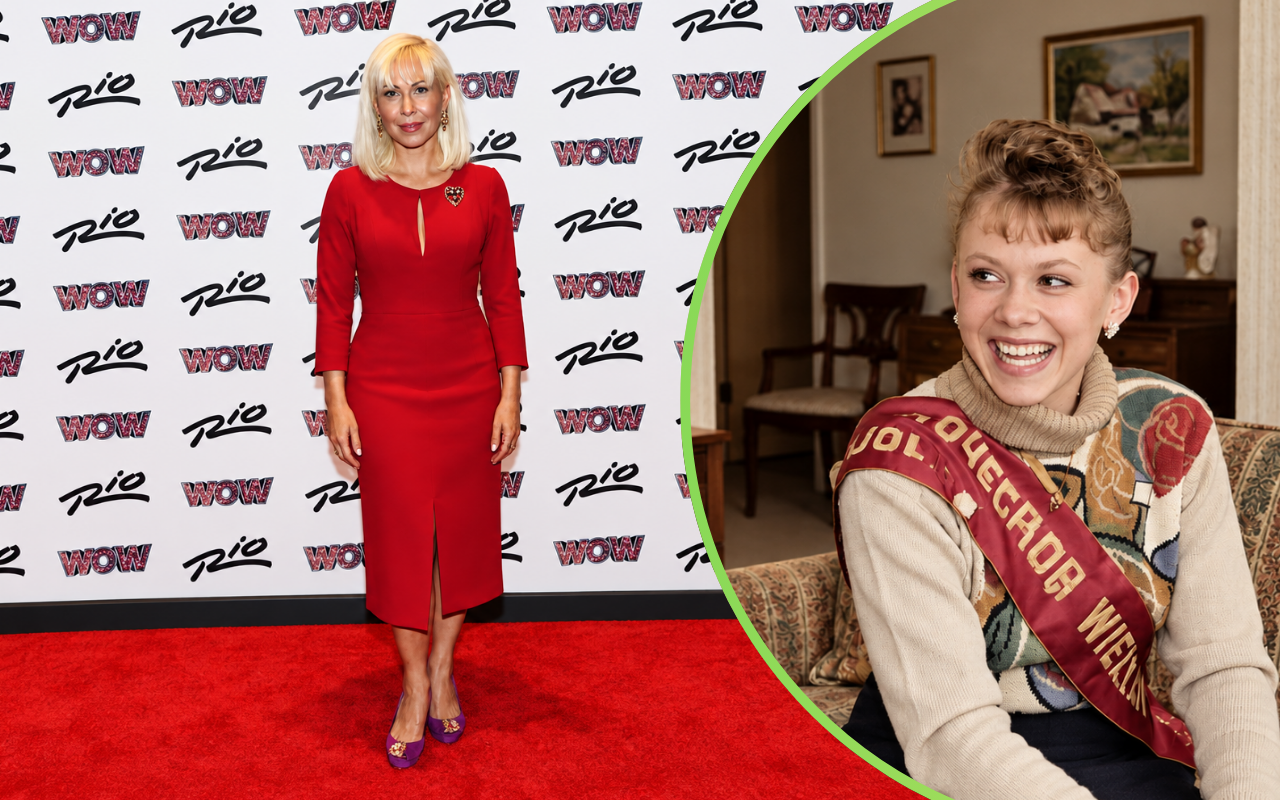
The name Oksana Bajuł is remembered around the world as a symbol of talent, determination, and emotional strength. Her journey from a young girl facing personal struggles in Ukraine to becoming an Olympic champion is one of the most inspiring stories in the history of figure skating.
Known internationally as Oksana Baiul, she captured global attention when she won the gold medal in women’s figure skating at the 1994 Winter Olympics in Lillehammer, Norway. At only 16 years old, she became the first Olympic champion representing independent Ukraine, creating a historic moment for her country.
However, her story is not only about medals and victories. Behind her success was a childhood filled with challenges, sacrifices, and moments that tested her courage. Her graceful movements on the ice reflected not only years of training but also the strength she developed through difficult experiences.
This article explores the life, career, achievements, and legacy of Oksana Bajuł, one of the most memorable figures in modern figure skating.
Early Life and Childhood of Oksana Bajuł
Oksana Bajuł was born on November 16, 1977, in Dnipropetrovsk, Ukraine, which was then part of the Soviet Union. From a young age, she showed a natural interest in artistic movement and performance. Her grandmother introduced her to ice skating when she was a child, describing it as a form of ballet performed on ice.
At first, Oksana was interested in ballet, but skating quickly became her passion. The sport allowed her to combine athletic ability with artistic expression. Unlike many athletes who focus only on strength and speed, Oksana developed a unique style based on elegance, emotion, and beautiful choreography.
Her early years, however, were far from easy. Her parents separated when she was very young, and she was mainly raised by her mother and grandparents. Losing important family members during childhood had a deep impact on her life. Her grandfather died in 1987, her grandmother passed away in 1988, and when Oksana was only 13 years old, her mother died from ovarian cancer.
After this tragedy, skating became more than a sport for Oksana. It became her purpose and a way to continue moving forward despite the difficulties she faced.
Beginning of Her Figure Skating Career
Oksana Bajuł started skating at a very young age and quickly demonstrated exceptional ability. By the time she was a teenager, coaches recognized her potential as one of Ukraine’s most promising young skaters.
Her first major coach was Stanislav Koritek, who helped develop her basic skills and introduced her to competitive skating. Later, she began training under the guidance of renowned coach Galina Zmievskaya in Odessa. Zmievskaya played a crucial role in shaping Oksana’s professional career.
After losing her mother and facing uncertainty about her future, Oksana moved into the home of her coach’s family. This support allowed her to continue training and developing as an athlete. Under Zmievskaya’s guidance, she improved her technique, artistic expression, and competitive confidence.
Her training environment was demanding, but it prepared her for the highest level of international competition.
Rise to International Fame
Oksana Bajuł’s breakthrough came in the early 1990s. After the collapse of the Soviet Union, Ukraine became an independent nation, and Oksana became one of the athletes representing the new country on the international stage.
In 1993, she achieved a major milestone by winning the World Figure Skating Championships in Prague. This victory established her as one of the world’s top female figure skaters. She was only 15 years old when she became a world champion.
Her skating style was different from many competitors. While some skaters focused heavily on technical difficulty, Oksana became famous for combining technical skill with emotional storytelling. Her performances were often described as artistic, graceful, and deeply expressive.
She had the ability to connect with audiences, making viewers feel the emotions behind every movement.
The Historic 1994 Olympic Victory
The defining moment of Oksana Bajuł’s career came at the 1994 Winter Olympics in Lillehammer.
The women’s figure skating competition attracted worldwide attention, with several talented athletes competing for the gold medal. Oksana delivered a memorable performance filled with elegance, precision, and emotion.
Despite facing pressure and competing against experienced skaters, she remained focused. Her performance earned her the Olympic gold medal, making her the first Olympic champion representing independent Ukraine.
Her victory was more than a personal achievement. It represented hope and pride for a young nation finding its identity after independence.
At just 16 years old, Oksana became an international celebrity overnight. She was celebrated not only for winning but also for the emotional journey that brought her to that moment.
Life After Olympic Success
Winning an Olympic gold medal brought enormous attention and new opportunities. After the 1994 Olympics, Oksana moved to the United States, where she continued her career through professional skating shows, television appearances, and public performances.
She became involved in professional ice skating tours and used her fame to introduce figure skating to new audiences. She also shared her experiences through writing, including her autobiography, where she discussed her childhood, challenges, and rise to success.
However, adjusting to life after becoming famous at such a young age was not always easy. Like many athletes who achieve success early, Oksana faced personal challenges while trying to manage fame, expectations, and adulthood.
Her journey showed that winning a championship is only one part of an athlete’s story. Life after the spotlight can bring its own challenges.
Challenges and Personal Growth
After her Olympic victory, Oksana experienced difficult periods in her personal life. The pressure of fame, financial responsibilities, and sudden international attention created challenges.
In the late 1990s, she faced struggles related to alcohol and entered a rehabilitation program. Later, she spoke openly about overcoming these difficulties and rebuilding her life.
Her willingness to discuss her struggles showed another side of her personality. Instead of presenting herself as only a champion, she shared the reality that even successful people can face obstacles.
Oksana’s story became one of resilience. She demonstrated that true strength is not only about winning competitions but also about recovering from setbacks and continuing forward.
Oksana Bajuł’s Skating Style and Legacy
One of the reasons Oksana Bajuł remains memorable is her unique skating style. She was not known only for athletic ability; she was admired for combining sport with art.
Her performances often included:
-
Elegant movements
-
Strong emotional expression
-
Beautiful choreography
-
Ballet-inspired techniques
-
A deep connection with music
She represented a style of figure skating where storytelling was just as important as technical execution.
Many fans remember her Olympic performance because it showed that figure skating is not simply about jumps and spins. It is also about creativity, emotion, and human expression.
Influence on Ukrainian Sports
Oksana Bajuł holds a special place in Ukrainian sports history. Her Olympic victory came during an important period when Ukraine was establishing itself as an independent country.
By winning gold in 1994, she inspired future generations of Ukrainian athletes. She proved that athletes from newly independent nations could compete and succeed at the highest international level.
Her achievement helped increase recognition of Ukrainian talent in winter sports and remains an important part of the country’s sporting heritage.
Where Is Oksana Bajuł Today?
After retiring from competitive skating, Oksana continued to stay connected with the skating world through performances, appearances, and various projects. She has also focused on family life and personal development.
Although her competitive career was short, her impact continues decades after her Olympic victory. Fans still remember her as one of the most talented and emotionally powerful figure skaters of her generation.
Her life journey continues to attract attention because it represents much more than athletic success. It is a story of overcoming loss, achieving dreams, facing challenges, and finding new beginnings.
Read More: Oksana Bajuł: The Inspiring Story of Ukraine’s First Olympic Figure Skating Champion
Conclusion
The story of Oksana Bajuł is one of courage, talent, and determination. From a difficult childhood in Ukraine to becoming an Olympic champion on the world stage, her journey shows the power of perseverance.
Her gold medal at the 1994 Winter Olympics secured her place in sports history, but her legacy goes beyond that achievement. She inspired millions with her elegance on the ice and her strength away from it.
Oksana Bajuł’s story reminds us that true champions are not defined only by victories. They are defined by their ability to continue moving forward, even when life becomes challenging. Her journey remains an unforgettable chapter in the history of figure skating.
